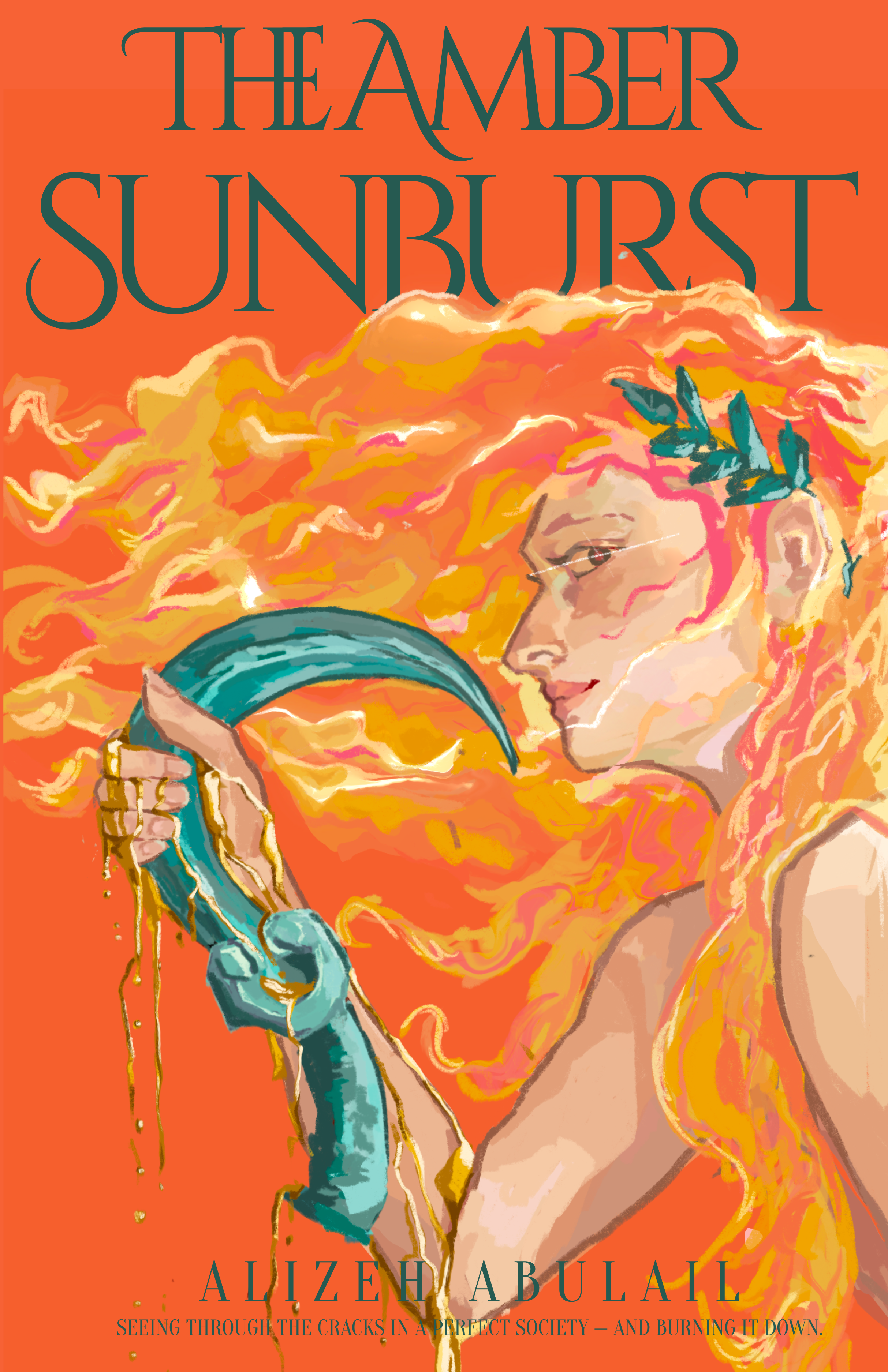
An exiled prince, a dying star, a wasted priestesses, a silent musician, a defiant sister, and a plummeting Icarus find each other through the cracks of a ‘perfect’ society.
Kallipolis is a utopia built on a lie. Hidden from the post-apocalyptic world outside its walls, the Republic has spent five hundred years perfecting itself according to the teachings of Plato — or so its people believe. Alexander knows better. He doesn't belong in the Republic, and he needs to get out — before the Trials, before the Educator discovers who he really is, and before he falls completely in love with a boy who was never meant to leave. A sweeping NA fantasy about the people who see through the illusion of a utopia — and the ones who burn it down.
Book Desc.
THE CAST
-
![]()
Kallias
THE DYING STAR
-
![]()
Alexander
THE EXILED PRINCE
-
![]()
Ophelia
THE WASTED PRIESTESS
-
![]()
Zeno
THE SILENT MUSICIAN
-
![]()
Eudoxia
THE DEFIANT SISTER
-
![]()
Lazarus
THE PLUMMETING ICARUS
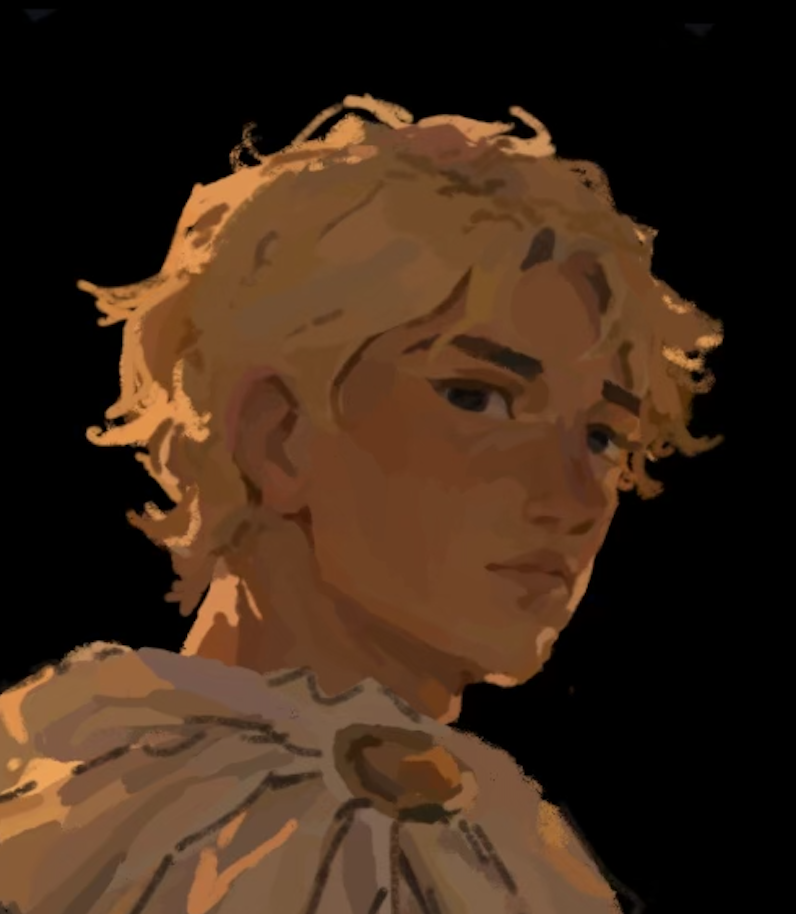
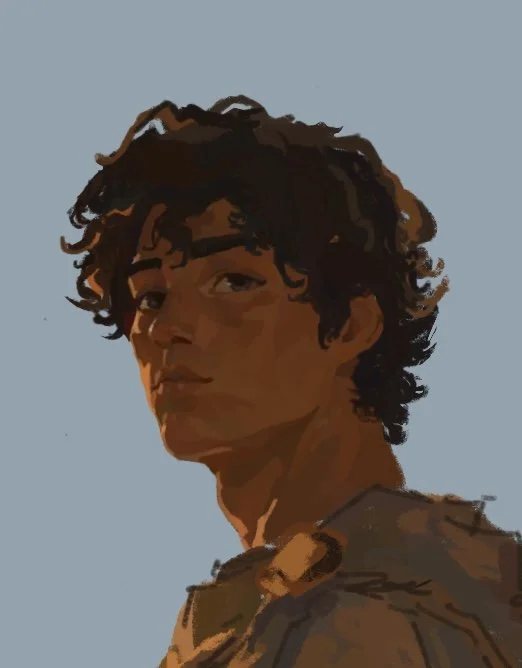
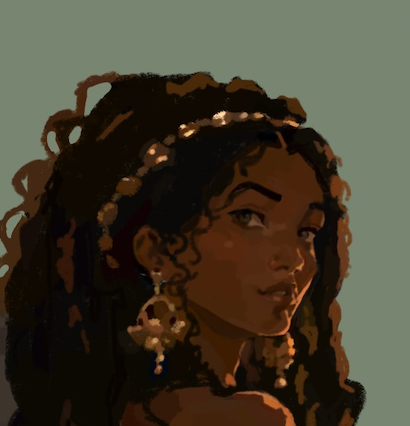
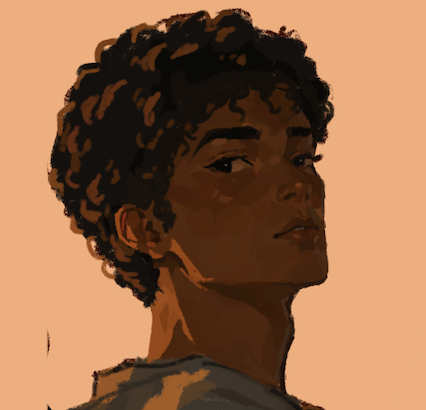
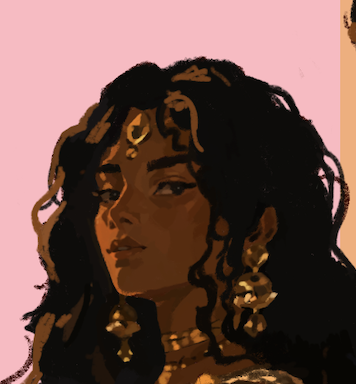
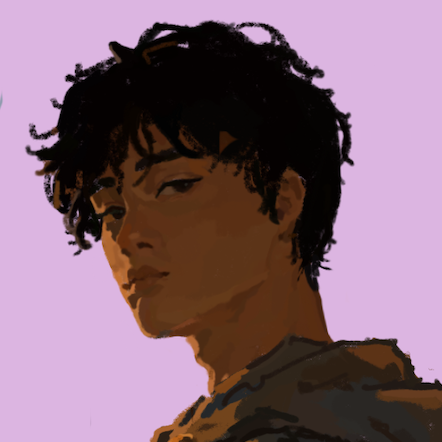
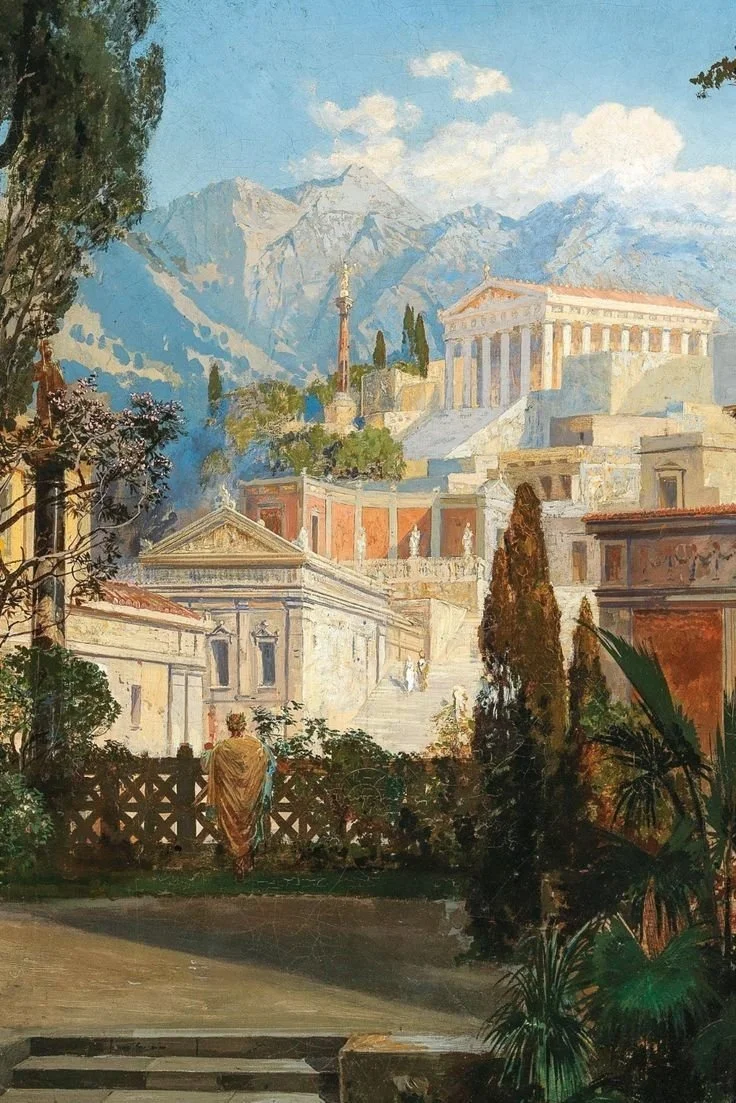
Photo from Pinterest
What is: Plato’s Republic
Written around 375 BCE, Plato's Republic (in Greek, Politeia) is a dialogue narrated by Socrates that begins with a deceptively simple question - what is justice? - and spirals outward into one of the most infamous and ambitious works of political philosophy ever written. After failing to define justice in a single person, Socrates proposes to look for it "writ large" by imagining an ideal city from the ground up. That city is Kallipolis, the "beautiful city", a rigorously ordered society divided into three classes - the producers who provide for material needs, the guardians who defend it, and the philosopher-rulers who govern it - each mirroring a part of the human soul (appetite, spirit, and reason). Justice, in this vision, is every part doing its own proper work and none overreaching. The just city and the just soul are the same shape at different scales. Justice is harmony.
But the Republic is far stranger and more unsettling than a tidy blueprint. To hold his perfect city together, Socrates proposes ideas that don’t seem particularly ‘perfect’: rule by an incorruptible philosopher-king, a "noble lie" told to citizens to justify their stations/classes, strict control over the stories and art people consume, and the dissolution of private family and property among the ruling class. At its heart sit the dialogue's most famous images (the Sun, the Divided Line, and the Allegory of the Cave) which argue that most people live shackled in shadow, mistaking illusion for reality, and that true justice requires the painful ascent toward the light of genuine knowledge. For over two thousand years readers have argued over what Plato actually meant: Is Kallipolis a genuine ideal, an impossible thought experiment, or a warning about what happens when the pursuit of perfect order curdles into tyranny? That the text refuses to settle the question is precisely what has kept it alive.
The world of The Amber Sunburst is built on that unresolved question. Its city-state takes its name and its founding scripture directly from Plato's perfect nation, but it is a society constructed on a misreading of the Republic: a place that believes itself perfectly just when its citizens really live in a beautiful shadow cast onto the wall of a cave. The novel asks what the Republic leaves open: what does it cost to build a flawless society, and who decides what "flawless" means? The statue on the cover is that idea made flesh: gilded, serene, monumental, and cracking. To see through the cracks in a perfect society is to make the ascent out of the cave. Burning it down is what comes after.
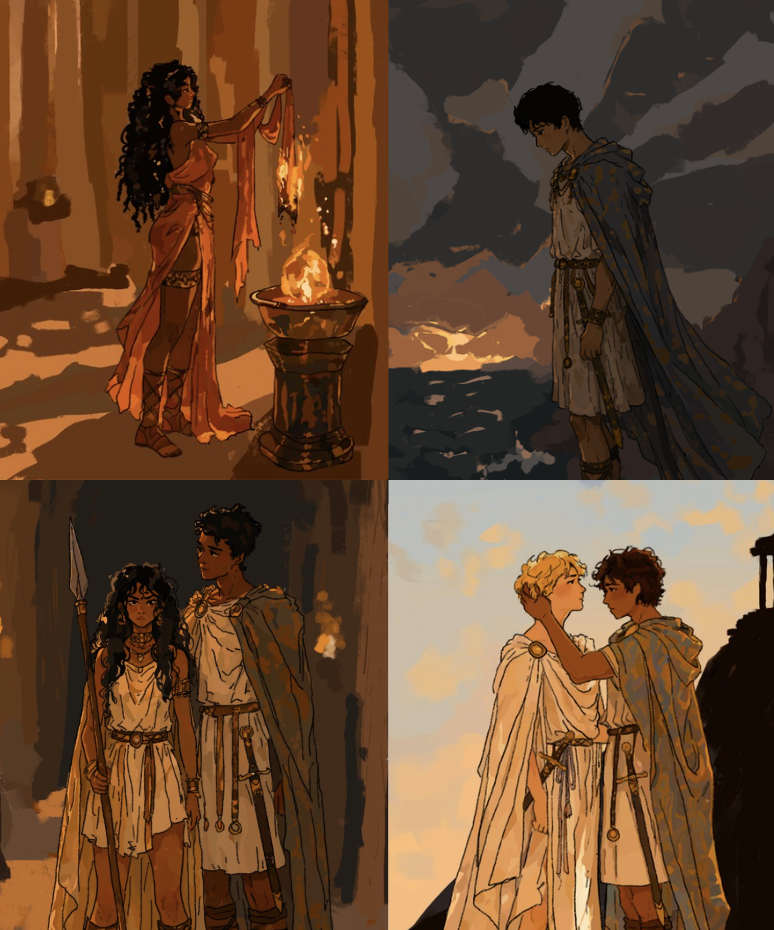
4 Sticker Bundle (Kallias and Alexander Sunset, Ophelia on Fire, Lazarus at the Sea, Eudoxia and Zeno in the Cave), small glossy